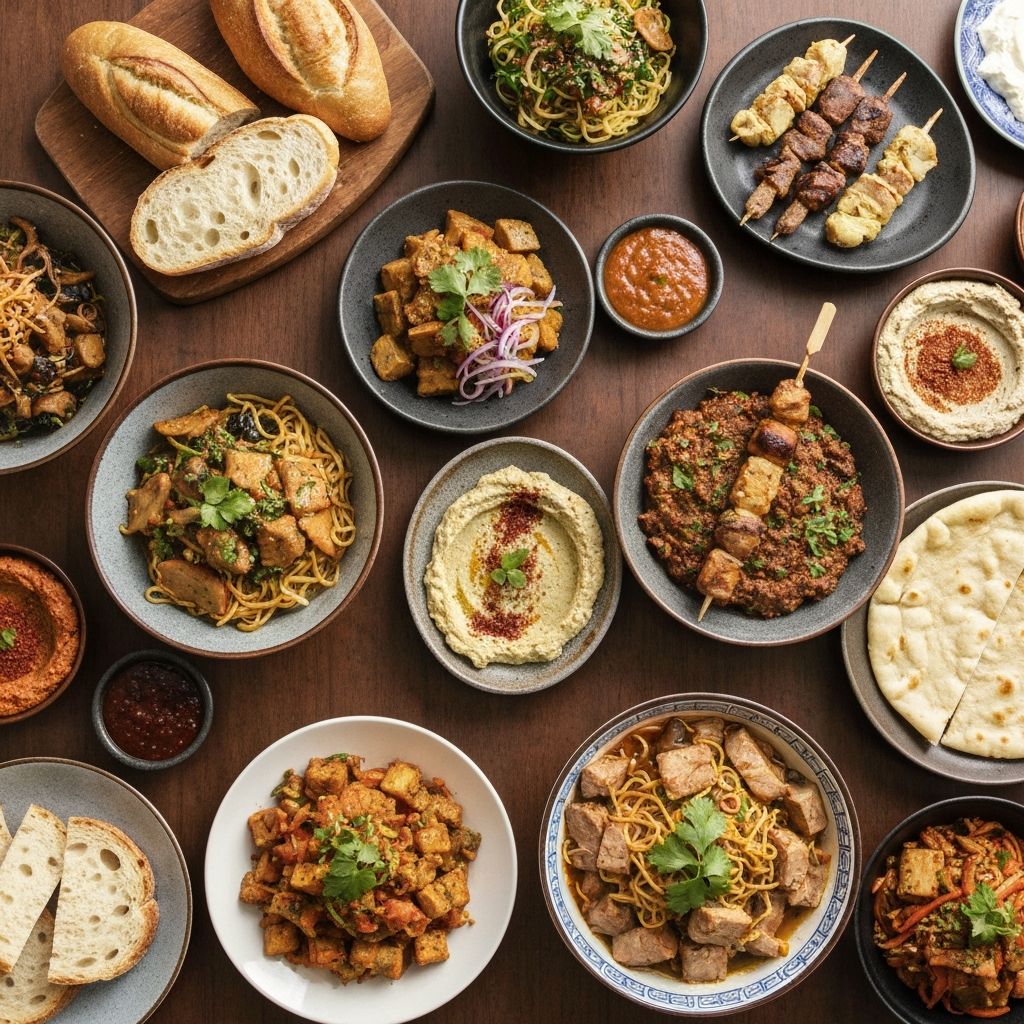
An educational resource examining how daily routines, social contexts, and environmental factors shape food choices and general patterns related to nutrition awareness.
Educational content only. No medical services. No promises of outcomes.
Read the overview
Daily routines significantly influence when and how people consume food. The structure of a typical day—whether shaped by work schedules, family responsibilities, or personal habits—creates frameworks within which eating behaviours develop and persist.
Many individuals follow predictable meal patterns that align with their daily activities. Morning meals often reflect time constraints and energy requirements, whilst evening meals may be influenced by social considerations and available preparation time.
Research in behavioural sciences notes that routine consistency can affect food selection. Those with regular schedules may develop stable eating patterns, whilst variable routines might lead to more spontaneous food choices throughout the day.
Food choices are deeply embedded in social and cultural contexts. The meals people prepare and consume often reflect traditions, family backgrounds, and community norms that have developed over generations.
Social gatherings frequently centre around food, creating environments where eating behaviours are influenced by group dynamics. Studies in social psychology observe that portion sizes, food selection, and eating pace can be affected by dining companions.
Different cultures maintain distinct relationships with food, including variations in meal timing, ingredient preferences, and the social significance of shared meals. These cultural frameworks provide context for understanding diverse eating behaviours across populations.

The global variety of cuisines demonstrates how geography, climate, and historical factors shape regional eating patterns. Different populations have developed unique approaches to food preparation, preservation, and consumption.
Understanding this diversity provides perspective on how environmental and cultural factors interact to create distinct food traditions. These patterns offer insights into the relationship between available resources and developed eating behaviours.
Mediterranean, Asian, and Northern European food traditions, for example, each reflect adaptations to local conditions and available ingredients. These regional patterns illustrate how eating behaviours develop within specific environmental contexts.
The work environment creates specific conditions that influence eating behaviours. Office settings, remote work arrangements, and various occupational contexts each present different opportunities and constraints related to food consumption.
Factors such as break schedules, access to food preparation facilities, and workplace social norms all contribute to how individuals approach meals during working hours. These environmental elements form part of the broader context shaping daily eating patterns.
The availability of food options, time allocated for meals, and physical workspace arrangements are among the practical considerations that affect food choices in professional settings. Understanding these factors provides context for observed variations in workplace eating behaviours.
Between main meals, many individuals consume smaller portions of food throughout the day. These snacking behaviours vary widely across populations and are influenced by factors including availability, convenience, and personal preferences.
The role of snacking in overall eating patterns has been examined in nutritional research, with observations noting variations in timing, frequency, and food selection across different demographic groups and cultural contexts.
Snacking behaviours often relate to situational factors such as stress levels, social activities, and environmental cues. Understanding these contexts provides insight into the diverse patterns of between-meal food consumption observed in various settings.
Non-working days often present different eating contexts compared to weekdays. The absence of work schedules and increased leisure time can influence meal timing, food selection, and eating environments.
Weekend meals may involve different social dynamics, with more opportunities for shared meals with family or friends. These occasions often feature different food preparation approaches and dining contexts than typical weekday meals.
Research notes that weekend eating patterns frequently differ from weekday routines in terms of meal timing and duration. These variations illustrate how schedule flexibility affects food-related behaviours and choices.
The timing of meals varies considerably across individuals and cultures. Whilst some populations maintain relatively fixed meal times, others adopt more flexible approaches to when food is consumed throughout the day.
Factors influencing meal timing include work schedules, family arrangements, cultural norms, and individual preferences. These elements combine to create diverse patterns of food consumption timing across different contexts.
Modern lifestyles often involve irregular schedules that affect traditional meal timing. Understanding how schedule variability relates to eating patterns provides context for the diverse approaches to meal timing observed in contemporary society.
The relationship between lifestyle factors and weight trends is examined across multiple research disciplines. Various studies explore how environmental, social, and behavioural elements interact within broader contexts of nutrition awareness.
Understanding these connections requires consideration of complex interactions between individual behaviours and environmental conditions. No single factor determines outcomes, and various influences operate simultaneously across different contexts.
Academic literature in this area emphasises the importance of context when examining relationships between lifestyle patterns and general trends. This perspective encourages nuanced understanding rather than simplified conclusions.
The information presented on this website is intended for general educational purposes. Please consider the following important points:
What is the purpose of this website?
NutriScope provides educational content exploring how various lifestyle factors, social contexts, and environmental conditions relate to eating behaviours. The site aims to present information from research literature in an accessible format for general understanding.
Does this website provide personalised advice?
No. All content is general in nature and describes patterns observed in research. The information does not constitute personalised recommendations and should not be treated as such.
Is this a medical or health service?
No. NutriScope is an educational resource only. We do not provide medical services, health assessments, or clinical advice. The content is purely informational.
What topics does NutriScope cover?
The website explores topics including daily meal patterns, social and cultural influences on food choices, work environment effects, snacking behaviours, and how various lifestyle factors relate to nutrition awareness in general terms.
Who creates the content on this website?
Content is developed with reference to publicly available research and educational materials on eating behaviour and lifestyle patterns. The information represents general observations from academic literature.
How should I use the information on this site?
The content is intended for general educational interest. Readers may find it useful for understanding broad concepts related to eating behaviours and lifestyle factors. Individual decisions should be made based on personal circumstances.
NutriScope
22 Baker Street
London, W1U 3BW
United Kingdom
Telephone: +44 20 84 72 39 18
Email: [email protected]
Continue exploring how everyday situations and environments relate to eating behaviours and food choices.
Understand General Patterns